Unreasonable Hospitality Isn’t Just for Restaurants
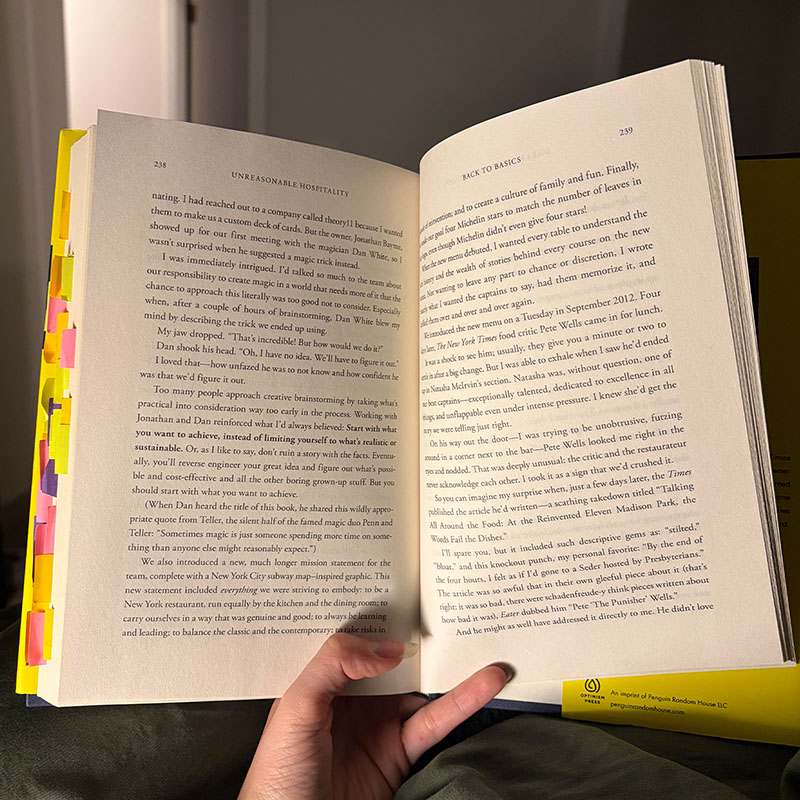
When I received a copy of Will Guidara’s Unreasonable Hospitality at our Spring Offsite, I’ll admit it — I was skeptical. As a picky eater, a book full of restaurant jargon didn’t sound like my cup of tea.
I finished the first chapter and realized the book reaches far beyond service-based careers. I identified in early chapters that being hospitable is the deliberate choice to make another being feel seen and that goes hand-in-hand with my Art Direction role at Stoltz.
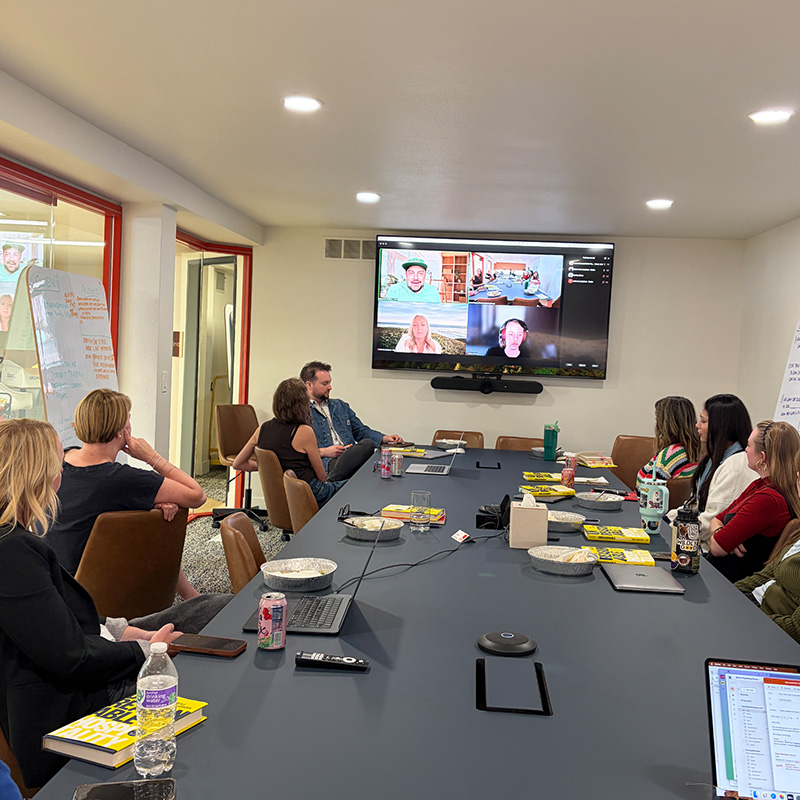
We met as a team every four weeks to discuss a few chapters. Here’s what “book club” made me confront, and what I’m trying to bring into everyday practice.
1. Moving from Efficiency to Empathy
So much of modern life is engineered for speed. We cross things off to-do lists and move right along to the next thing.
Guidara’s storytelling made me ask: How often am I being present with people versus processing them at surface level?
True hospitality, whether serving a restaurant table or sitting around the Stoltz conference room, means paying attention to small details, even when it requires slowing down and putting in a little extra effort. Hearing someone’s words is one thing. Listening for what matters to them is what makes the difference.
2. The Power of “One-Size-Fits-One”
We live in a modern world that loves quick solutions… especially with AI. It’s easy and predictable, but genuine connection doesn’t happen quickly.
It’s tempting to sort the people in our lives into buckets: colleagues, friends, neighbors, acquaintances and treat each bucket as such. Instead, when you approach people with a “one-size-fits-one” mindset, interactions stop feeling routine. You start asking:
What small detail did my coworker mention last week that I can follow up on today? Maybe I should ask about how their camping trip went? What would make my friend’s day a little lighter right now? Would bringing them a coffee give them one less thing to think about?
3. Creating “Magic” Moments
Guidara describes a practice at his restaurant, Eleven Madison Park, when servers developed a subtle sign language to tell teammates whether a table wanted still or sparkling water. While the server was still talking through the menu, the water arrived at the table… Voila! Magic!
That simple nonverbal gesture stuck with our team and reframed how I think about trust. It shows what happens when people are so dialed into one another that they anticipate needs that go unspoken. It made me reflect on how powerful it feels when someone has your back so well that you never have to ask, like when Julie brought in baked goods for the team on a Friday or when Kellie has repeatedly hopped in to take some tasks off my plate when there’s a lot going on. What about that one time Clara spent a morning giving me all of her Figma tips and tricks? These are all “magic” moments that made me feel seen in a way I didn’t know I needed until it happened and I didn’t have to ask.
What I’m Applying Going Forward
I’ve already seen teammates bring Unreasonable Hospitality to life in their day-to-day, and it’s inspired me to do the same. Here’s what I’m actively practicing since wrapping up book club:
Radical listening: Focusing completely on the person in front of me instead of planning what I’ll say next.
Focusing on the feeling: Remembering that long after people forget what you said or did, they will always remember how you made them feel. That’s powerful.
Catching the cues: Watching for the “magic” moments, when someone needs a hand before they even ask or signal.
What I learned is that you don’t need to love fine dining and exquisite food to appreciate hospitality. I’m still learning how to slow down and actually be present, with my team, with my friends, and with myself. Choosing to unreasonably care about the people around me has made me a better coworker, and honestly, a better friend, too.