The Leadership Lessons We Cooked Up by Staying In
The best leadership lessons don’t always come from boardrooms. Sometimes they come from a kitchen — one you choose over a good restaurant, with the full confidence of people who hadn’t started cooking yet.
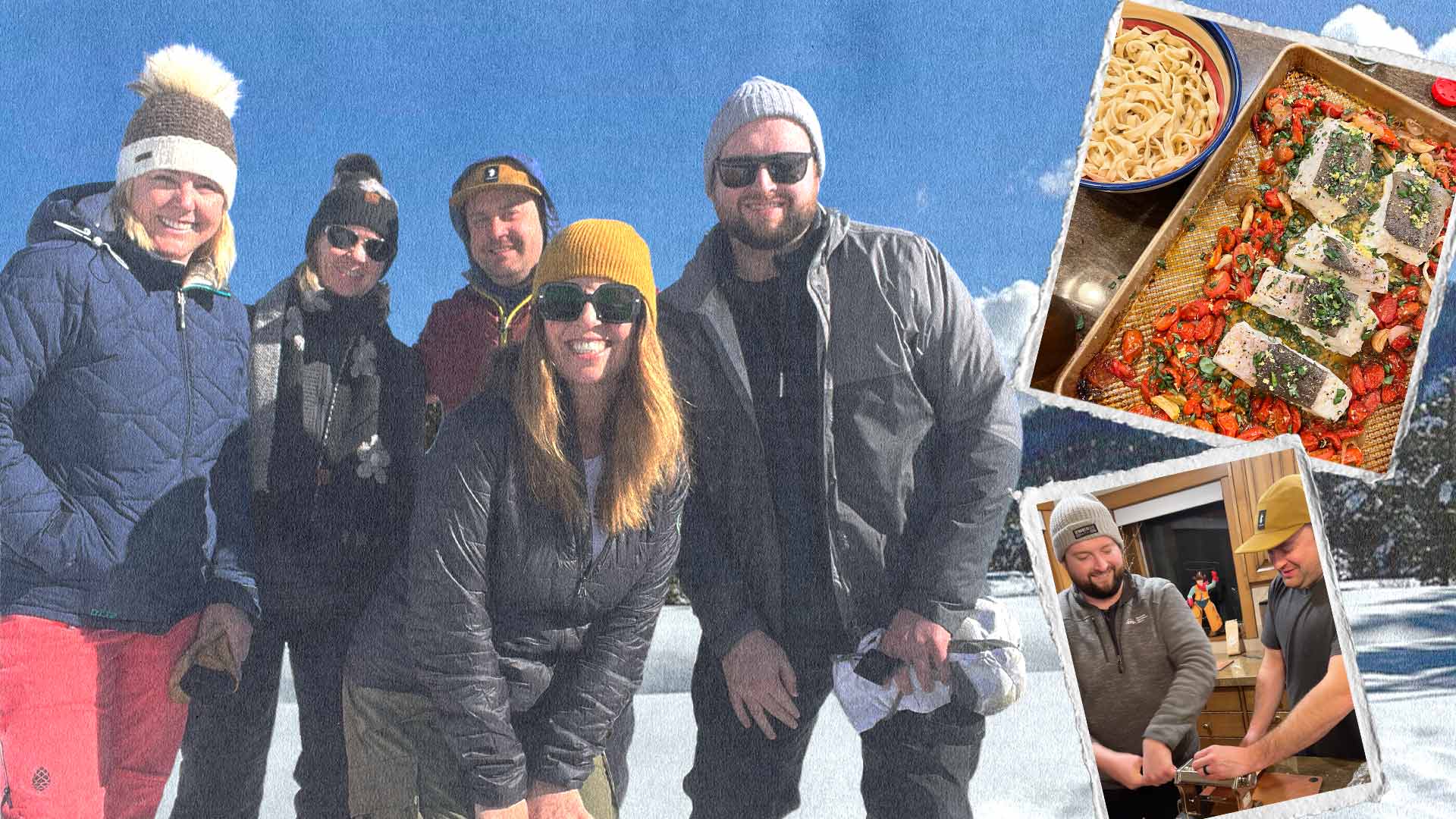
At our most recent MELT offsite — our quarterly Management and Executive Leadership Team offsite — we decided to try something a bit different: cooking a meal together. I want to be clear about what that decision meant: we were in a resort town with excellent restaurants, we had a free evening, and we chose to cook together. Voluntarily. As a team-building exercise that no one technically assigned.
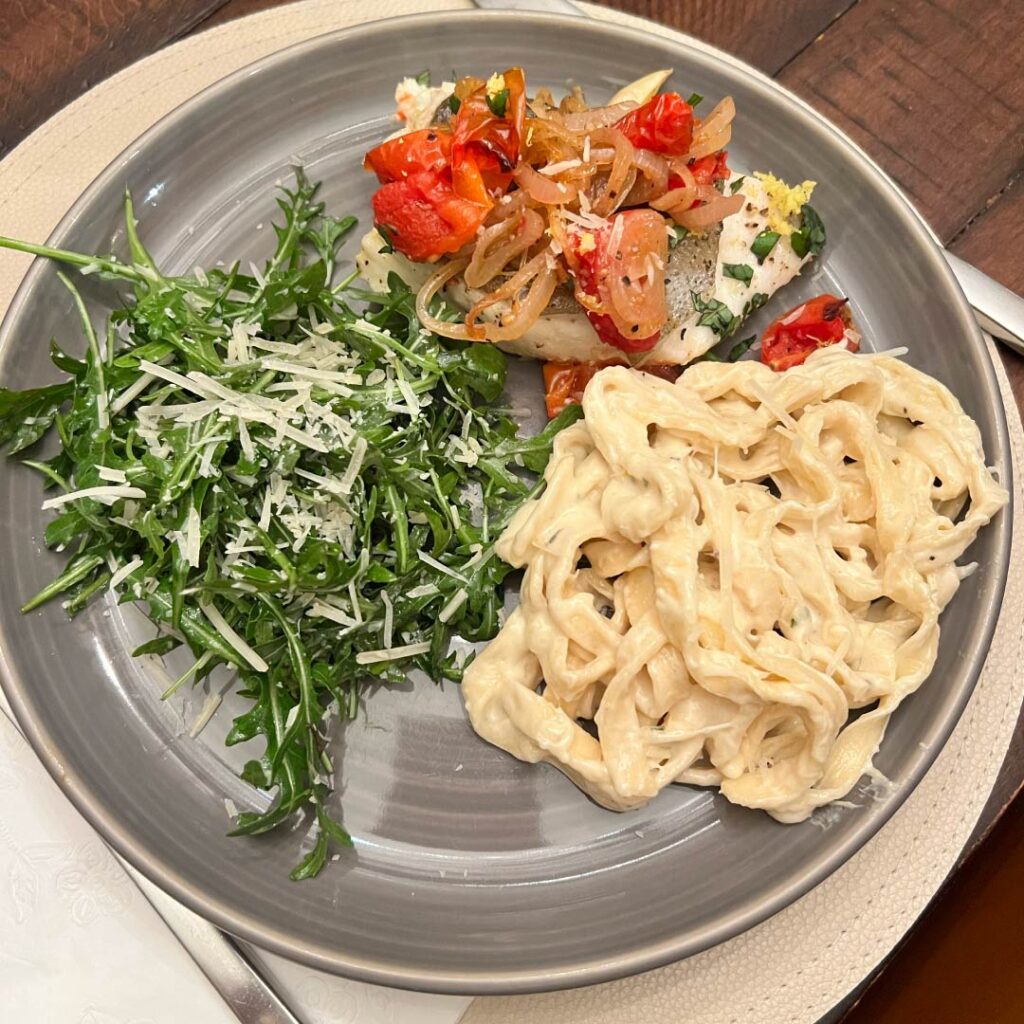
The more culinarily confident among us claimed courses — a salad, fresh handmade pasta, a signature fish dish. The rest of the team was handed a charcuterie board and told to figure it out. There’s a role for everyone, regardless of skill or interest, in the kitchen, and sharing in the cooking process together was an exercise in playing to each other’s strengths.
Turns out a kitchen is a pretty good mirror for a leadership team. I didn’t expect it to make me think. But it did anyway.
Everyone owns their course, and the meal depends on all of them.
No one person makes a great dinner alone. The salad sets the tone — it’s the signal that someone cared before the guests arrived. The pasta is the craft: patient, tactile, the kind that requires you to get your hands dirty. The fish is the signature move — the bold choice that earns the most conversation. And the charcuterie board? It turns out arranging cured meats and an aggressive amount of cornichons is its own art form.
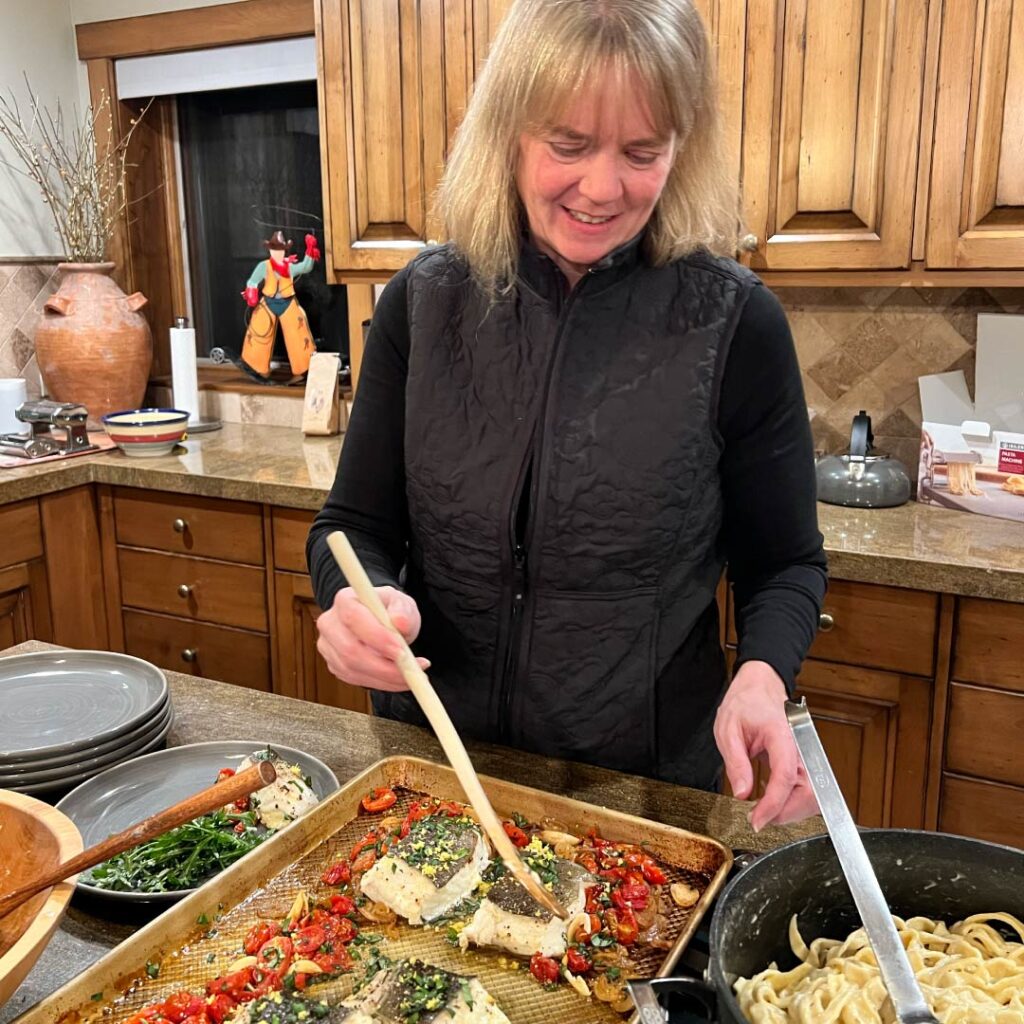
Pull any one of those out, and you don’t just have a smaller meal — you have an incomplete experience. Leadership teams are no different. Each role has its own course to follow. The whole only works when everyone shows up fully for their part — even if their part is the cheese plate.
Timing is everything.
“A beautiful pasta means nothing if it hits the table thirty minutes before the main course.”
Coordination is about awareness more than control. Knowing what your teammates are working on, where they are in the process, and when to hand off or step back.
The best kitchen moments that night weren’t the individual dishes. They were the frequent and unobtrusive check-ins: “How much longer do you need? I’ll hold the salad.” It struck me: This is leadership. Not orchestration — just paying attention and reading the room.
Embrace the mess.
We could have gone to a nice restaurant. We could have had someone else do the cooking, the timing, the cleanup. We could have sat down to a perfect meal and had a perfectly fine evening. Instead, we made a mild disaster of someone’s kitchen, debated whether the board needed more fruit, and produced something we were all unreasonably proud of.
Trust isn’t built in a conference room working through slides. It’s built in the moments of shared effort and shared stakes — when something might not go perfectly, and you’re all in it together anyway. Those moments are irreplaceable, and they don’t happen on a restaurant reservation.
The table is the point.
All that prep, all that coordination, all that craft — it exists so people can sit down together and feel nourished. For a leadership team, the “table” is your organization. The work we do in the kitchen — the strategy, the hard conversations, the alignment — only matters if it feeds the people counting on us.
That’s easy to lose sight of in the middle of a long offsite agenda. The kitchen reminded us.