Every March, we share quotes from trailblazers. We post the retrospectives. We speak on the gains in women’s sports (go @usahockey women!) And honestly? Women deserve every bit of that celebration.
But here’s the thing — Women’s History Month hits different when you actually stop and look at the numbers. Because the story of women in today’s economy isn’t just a history lesson. It’s a plot twist the business world hasn’t fully reckoned with yet.
Let’s talk about it.
Women Are the Economy. Full Stop.
You want a bold statement? Here it is: women drive approximately 85% of all consumer purchasing decisions in the United States. Not a majority. Not most. Eighty-five percent. They account for roughly $7 trillion in consumer and business spending and, at home, function as the “chief purchasing officer” for the household — deciding everything from the groceries, to the car in the driveway, to the insurance policy on the house.
And that buying power is only growing. A 2025 Bank of America report found that women’s median income growth has been outpacing men’s for several years running. Women’s employment is growing faster than the national average. And women between 25-44, even while typically earning less than their male counterparts, are actually outspending men by $1,000-$2,000 a year.
“Let that sink in for a second. Women are the lead consumers in the U.S. economy and have been for a while. This isn’t a trend, it’s reality.”
Here’s Where It Gets Frustrating
If women control the majority of what gets bought in this country, you’d think the people creating the messages designed to reach them would look like them, right?
Not so much.
Here’s a stat that should stop every marketer in their tracks: of the estimated 22,000 advertising and marketing agencies in North America, less than 1% are owned by women or nonbinary people. Less than one percent. In an industry that exists, in large part, to reach women consumers.

Now layer this on top: women make up 60% of the marketing workforce. They hold 52% of CMO roles. They’re clearly capable, clearly qualified, and clearly present — but when it comes to who owns the agencies shaping brand messages, setting creative direction, and deciding how women are portrayed in media? The room looks a lot more like 1965 than 2025.
It’s no coincidence, then, that nearly 91% of women feel misunderstood by marketing. When the people crafting the message have never lived the experience of the audience they’re speaking to, that disconnect is going to show up — in the creative, campaigns, and ultimately, the results.
The Broken Rung (And Why It Matters Beyond Marketing)
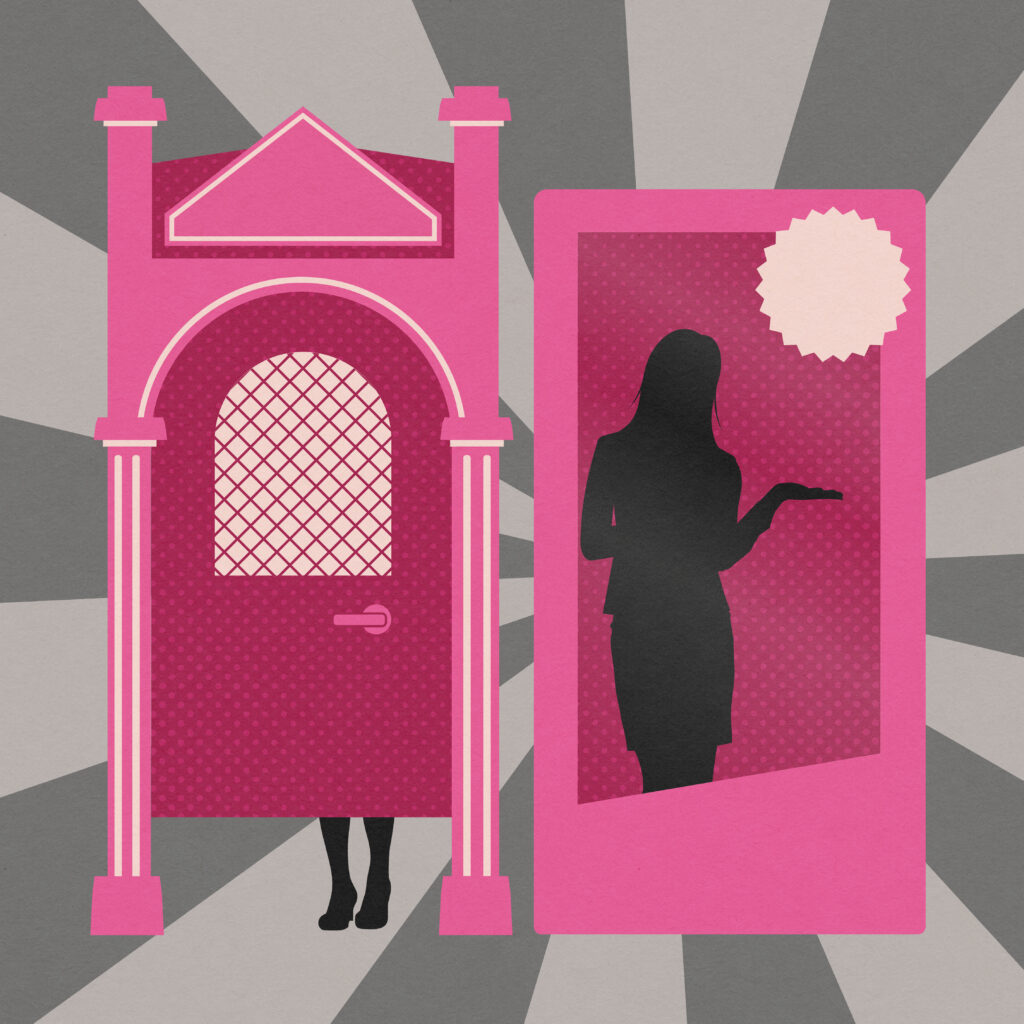
We often frame women’s leadership gap as a “glass ceiling” problem — something that happens at the top. But the real fracture point is much earlier. This gap between women’s presence in an industry and their ownership of it isn’t unique to marketing — it’s a pattern that plays out across the entire economy.
Women are showing up. They’re outperforming in college enrollment. They’re entering the workforce at record rates. But that first step up into leadership? That’s where things stall. For every 100 men promoted to manager, only 93 women make the same move. For women of color, that number drops to 74 and has stayed stubbornly low for over a decade.

And the pay gap doesn’t close as women climb — it widens. Women managers earn 83 cents to the dollar. Directors earn 82 cents. And female executives earn just 72 cents per dollar that their male peers earn. And to be clear, these stats refer to white women. The numbers are far more grim for women of color. Ambition doesn’t close the gap. Titles don’t close the gap. And it’s going to take a lot more than a month of appreciation posts to close it, either.
This Isn’t a “Women’s Issue”
One of the most tired myths in business is the idea that gender equity is a side project — a nice-to-have that lives in HR and gets dusted off for diversity reports.
The reality is that companies with gender-balanced leadership are 20% more likely to see improved business outcomes. When women lead agencies, those agencies produce campaigns that resonate with the consumers who hold the purchasing power — because the people making the work share the lived experience of the people they’re making it for.
This is a business imperative. Women are not a niche audience. They are the audience. And marketers that figure that out — that close the leadership gap and build rooms that reflect the people they’re trying to reach — are going to have a real competitive edge over the ones still operating like they’re in Mad Men.

What Women’s History Month Is Really Asking of Us
“The women who made history didn’t wait for permission. They didn’t wait for the environment to become more comfortable or welcoming. They made the move anyway — and in doing so, changed what was possible for everyone who came after.”
So this March, beyond the social posts and the panel events, the question worth sitting with is: What are we actually doing? Are we auditing our pay structures? Are we advocating loudly for the women on our teams during promotion conversations? Are we building agencies, companies, and cultures that look like the consumers we serve?
Women’s History Month is 31 days. The work it’s pointing at has no expiration date.
Stoltz is a women-owned, women-led marketing agency — yes, we’re in the 1%. We believe the best way to market to women is to have women in the room — leading the strategy, shaping the creative, and owning the outcome. This March and every month, we’re proud to be part of changing those numbers.